A sports equipment is defined by its ability to reduce mechanical stress on the body while allowing for a more efficient technical gesture. The choice of this equipment is based on measurable criteria (cushioning, support, durability, feedback) that vary according to the discipline, level of practice, and the morphology of each athlete.
Biomechanical feedback: how connected equipment changes the choice of gear
The European fitness equipment market has been shifting since 2025-2026 towards solutions that integrate sensors and coaching artificial intelligence. This evolution changes the way equipment is chosen: high-performance equipment now provides real-time feedback on technique, load, and recovery.
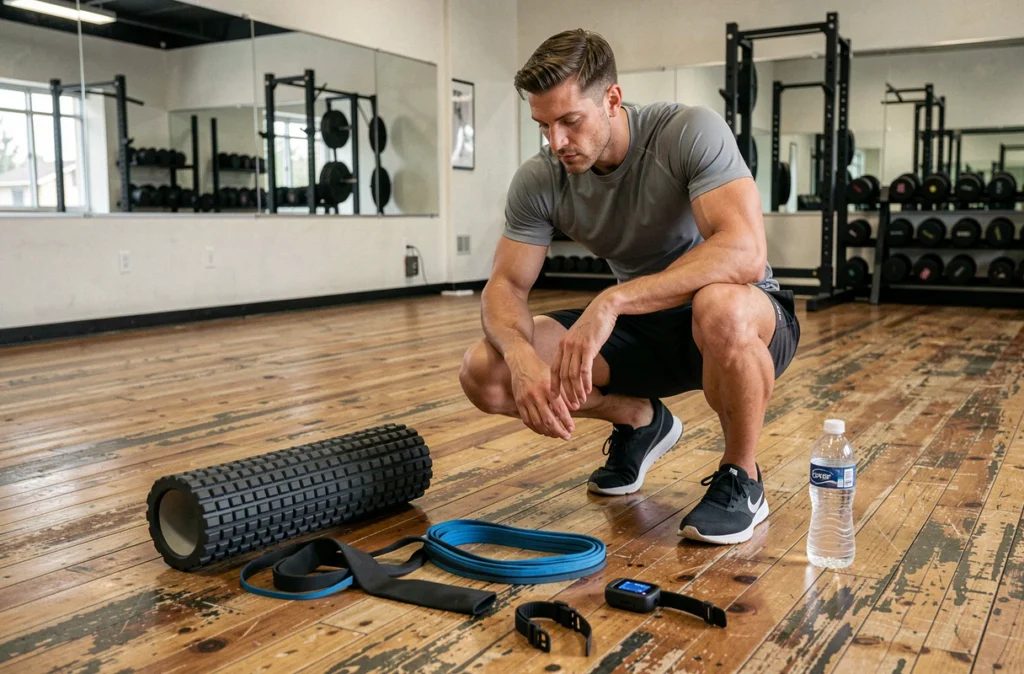
Specifically, a stride sensor attached to a running shoe analyzes foot strike, cadence, and asymmetry between the right and left legs. This data allows for adjustments to the type of shoe (drop, cushioning, sole stiffness) based on actual biomechanical flaws, not just shoe size or subjective feel in-store.
For strength sports, connected weight training devices measure execution speed and power developed with each repetition. This information guides the choice of resistance (bands, free weights, guided machines) much better than a rough estimate. The resources available on format-sport.com illustrate the diversity of sports equipment suited to different practices and levels.
Sports shoes: the technical criteria that really matter
The shoe remains the piece of equipment where a poor choice can lead to the most significant injuries. Three technical parameters deserve special attention before any purchase.
Type of stride and drop
The drop (the height difference between the heel and the forefoot) directly influences the distribution of stress on the Achilles tendon and knee joints. A high drop (around 10-12 mm) is suitable for heel strikers, while a low drop naturally directs towards a midfoot strike.
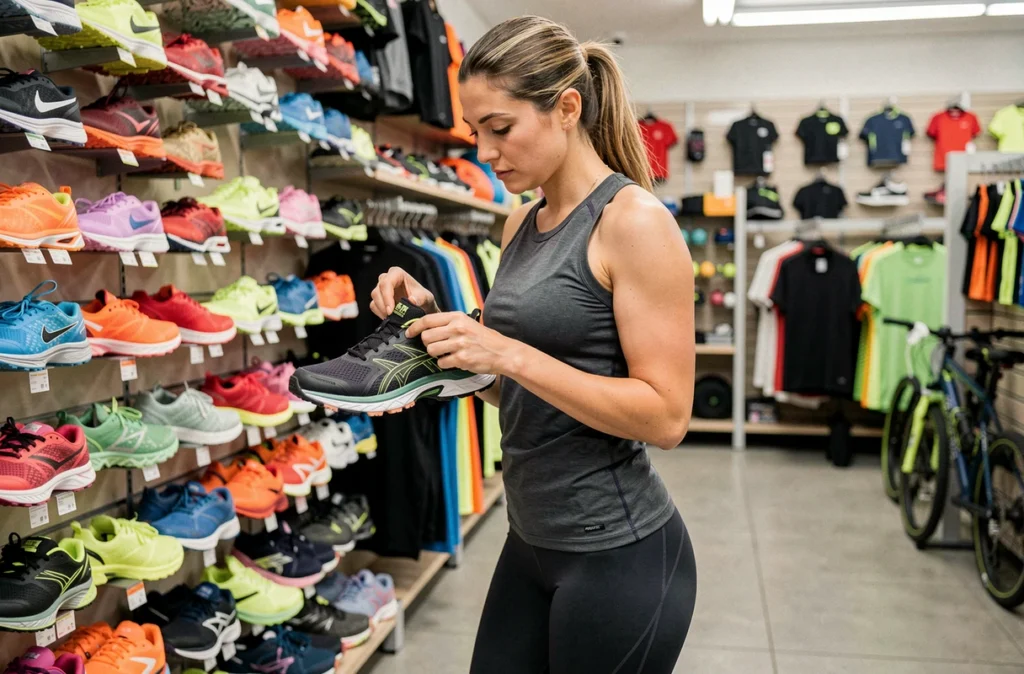
Choosing without knowing your stride type is akin to selecting corrective lenses without an eye exam. An analysis in a specialized store or via a connected stride sensor provides a reliable basis.
Cushioning and lifespan
Cushioning foams lose their mechanical properties with wear. A worn running shoe increases the risk of injury even if it still appears to be in good visual condition. Replacement should be based on accumulated mileage, not the apparent condition of the outsole.
Width and foot support
The width of the shoe is often overlooked in favor of shoe size. A wide foot squeezed into a narrow shoe causes chain postural compensations (ankle, knee, hip). Several brands now offer wide versions for the same model.
Sports textiles and PFAS regulation: a change to anticipate
Regulation (EU) 2024/2462 strictly limits PFHxA and its related substances in clothing, shoes, and accessories intended for the general public starting in October 2026. This restriction directly affects so-called “high-performance” sports textiles, which used these compounds for their water-repellent and stain-resistant properties.
Traditional water-repellent treatments based on PFAS are disappearing from sports equipment sold in Europe. For consumers, this means that trail jackets, waterproof shoes, and certain technical shirts will gradually adopt alternatives (silicone-based treatments, fluorine-free membranes). These alternatives work, but their durability and breathability performance differ.
When choosing a technical garment, checking the nature of the water-repellent treatment becomes a relevant criterion. A textile compliant with the new regulation is not less effective by default, but it sometimes requires different maintenance (reactivation in the dryer, for example).
Adapting sports equipment to your practice: common mistakes
Over-equipping is as counterproductive as under-equipping. Buying competition-grade gear for occasional practice incurs extra costs without measurable benefits, and sometimes even discomfort (a rigid running shoe unsuitable for a beginner, for example).
Here are the most common mistakes that hinder progress:
- Choosing a shoe based on aesthetics or a generic online review, without considering foot morphology or stride type
- Neglecting the renewal of cushioning equipment (shoes, insoles, mats) while mechanical properties degrade well before visible wear
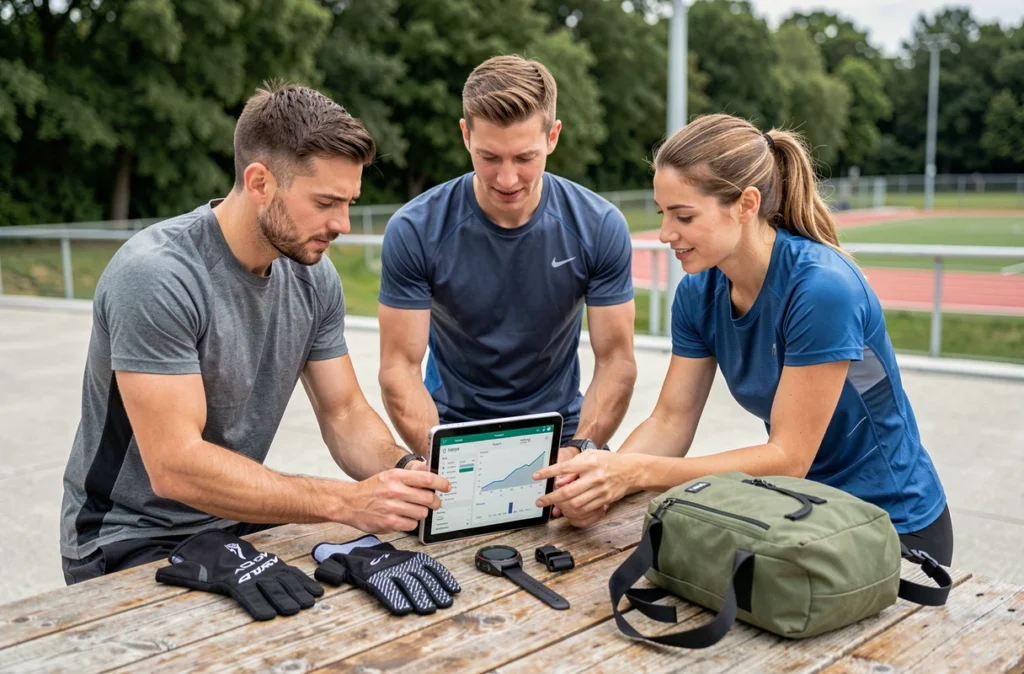
- Investing in connected equipment without utilizing the data they produce, due to a lack of understanding of metrics or integration into a training plan
- Ignoring safety standards on protective gear (helmets, shin guards, knee pads) by prioritizing comfort or price over certification
The most cost-effective choice in terms of performance often consists of carefully selecting two or three fundamental pieces of equipment rather than spreading your budget over a dozen secondary accessories. For a runner, the shoe and heart rate monitor matter more than a high-end technical shirt.
Safety standards and sports equipment: what to check
Sports protective equipment sold in Europe must meet specific standards. These markings guarantee a tested level of shock absorption in the laboratory.
An unmarked piece of equipment does not provide reliable protection, regardless of its price or brand. Checking for the presence of the standard on the label or manual takes a few seconds and avoids real risks during an impact.
The shift to digital is also affecting this area: the product digital passport, as provided by the European regulation on eco-design, should ultimately allow for the traceability and compliance of sports equipment to be consulted directly via a QR code.
Equipment does not replace technique or training, but poorly chosen equipment creates an invisible ceiling to progress. Identifying the two or three pieces that truly matter for your discipline, verifying their technical compliance, and renewing them at the right time remains the most effective strategy for progressing without injury.