In France, the associative sports fabric represents much more than a network of clubs and competitions. Behind the training sessions and weekend matches, structures carry projects where physical activity becomes a lever for integration, mental health, or territorial cohesion. The landscape of solidarity sports is transforming, driven by funding mechanisms that are becoming more structured and increasingly specific target audiences.
Multi-year funding for solidarity sports: what the Impact 2026 call for projects changes
The National Sports Agency has been leading the Impact call for projects since 2020, aimed at associations, the sports movement, and local authorities. The 2026 edition marks a turning point in the support logic: the system now provides for three-year funding, with a minimum grant of 20,000 euros and coverage that can cover up to 70% of a project’s budget.
This shift to multi-year support breaks with the logic of one-off aid that weakened small structures. An association that receives annual funding must restart its administrative procedures every year, recruit volunteers to prepare the application, without any guarantee of continuity. With a three-year commitment, project leaders can plan complete support cycles, train their supervisors, and measure results over time.
The partners of this call for projects include the CNOSF, the CPSF, France Travail, the FDJ, and several local authorities. This public-private coalition reflects a broader trend: solidarity sports attract funders looking for measurable social impact, not just a communication showcase. Several articles related to ffta-asso.com document these types of dynamics on a national scale.
Target audiences of solidarity sports associations: rural youth, disability, and RSA recipients
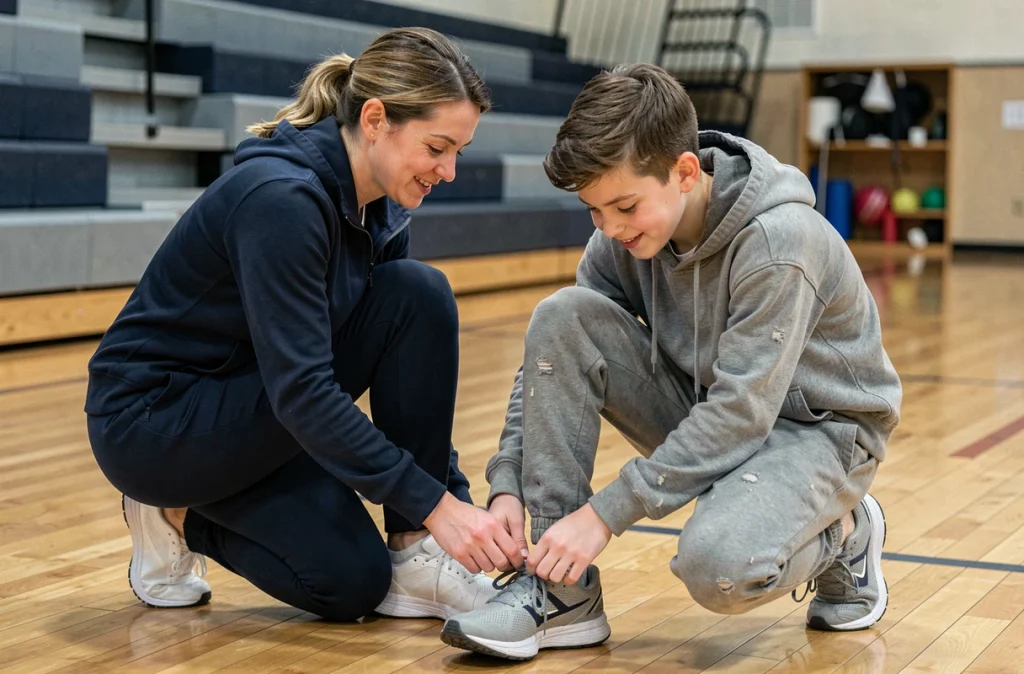
Solidarity sports no longer address a generic “in difficulty” audience. Recent projects target very specific profiles, with tailored measures for each situation.
In Gers, two associations each received 5,000 euros for projects explicitly aimed at rural youth and people with disabilities. In Midi-Pyrénées, the Terre de Sport program distributed 100,000 euros to 25 local associations. These initiatives stem from a simple observation: barriers to sports practice vary according to territories and audiences.
For an RSA recipient, sports are not a leisure activity but a tool for rebuilding. Support measures combine physical activity, social follow-up, and gradual rebuilding of self-confidence. In Pays de la Loire, some programs combine sports practice with employment support, with results that field actors find encouraging, even if the available data do not yet allow for conclusions about long-term effectiveness.
Formats that go beyond the traditional club framework
Solidarity sports associations are inventing hybrid formats that no longer resemble classic training:
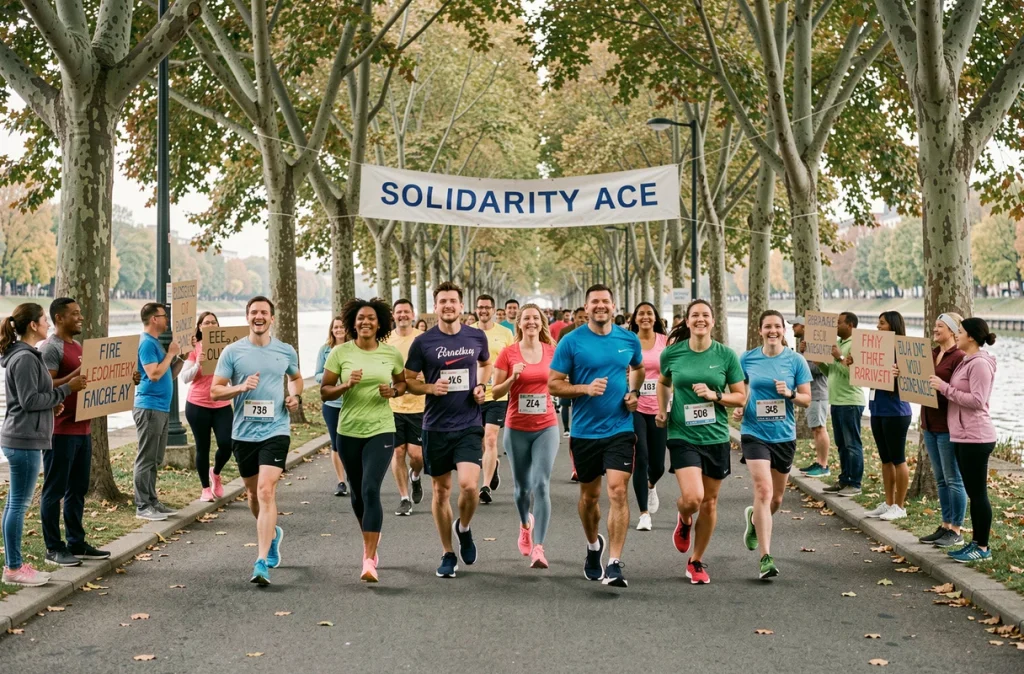
- Solidarity sports challenges, like that of the CEERRF (Center for Teaching in Rehabilitation and Functional Rehabilitation) which supports the Sans Bornes, a challenge serving solidarity that combines fundraising and collective physical challenges
- Awareness actions on disability in schools, such as the handibasket offered in extracurricular activities in Mulhouse to familiarize children with inclusion
- Cécifoot programs that create bridges between sport and culture, carried by structures like Dahlir, where adapted practice becomes a meeting space between valid and visually impaired audiences
Territorial anchoring of socio-sporting projects: why the national model does not work everywhere
A unique model of solidarity sports applied from Paris to Guadeloupe makes no sense. The territorial dimension has become the determining criterion in the design of projects. The needs of a priority neighborhood in Créteil are not the same as those of a village in Gers or a municipality in Provence-Alpes-Côte d’Azur.
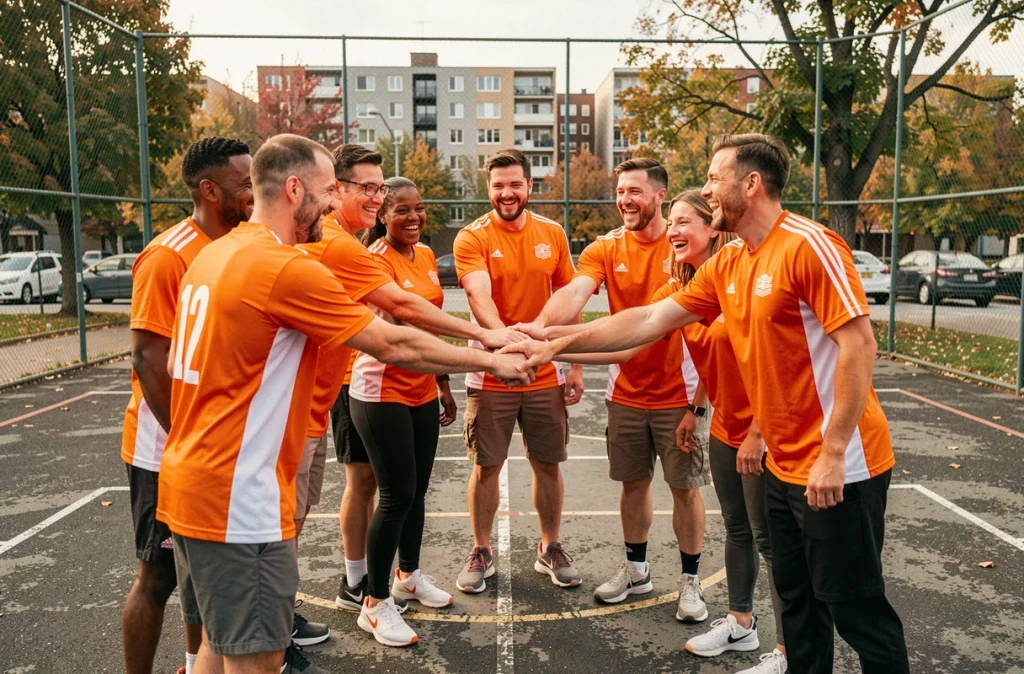
US Créteil organized a solidarity sports challenge focused on mental health, a subject that clubs in this territory identify as a priority. In Guadeloupe, a sports day was designed around social cohesion in an island context where isolation affects audiences different from those in the metropolis.
This territorialization raises a question of resources. Rural or overseas associations rarely have the administrative engineering necessary to respond to complex calls for projects. The gap between the sophistication of funding applications and the reality on the ground remains a barrier identified by local actors. Field feedback diverges on this point: some federations believe that support tools have improved, while small associations still describe an discouraging administrative process.
Gender equality and mental health: the new axes of associative sports
The scope of solidarity sports is expanding beyond socio-professional integration. Two axes are gaining momentum: gender equality in sports practice and the consideration of mental health.
The Sensationnelles by Intermarché program, whose 2026 final highlighted several winners, illustrates this trend. It rewards initiatives that encourage female participation in disciplines where women remain underrepresented. Montpellier Handball, through its endowment fund, dedicated an entire season to engagement actions, part of which specifically targets female audiences.
Regarding mental health, associative sports are beginning to structure concrete responses. Solidarity sports challenges now integrate this issue into their communication and design, as US Créteil did with its cycling challenge. This evolution reflects a broader awareness: physical activity supervised by peers constitutes a complement to care pathways, not a substitute.
The French associative sports world is undergoing a rapid professionalization phase, with more stable funding, better-identified audiences, and social issues that go beyond the historical framework of inclusion through sport. The next step will likely be evaluation: measuring what these projects actually change in the lives of participants, beyond annual activity reports.